

Choosing the Right Coffee Beans For Your Coffee Machine
Making sure you use the right coffee beans can have an enormous impact on the quality of your coffee. This is especially true for bean-to cup machines.
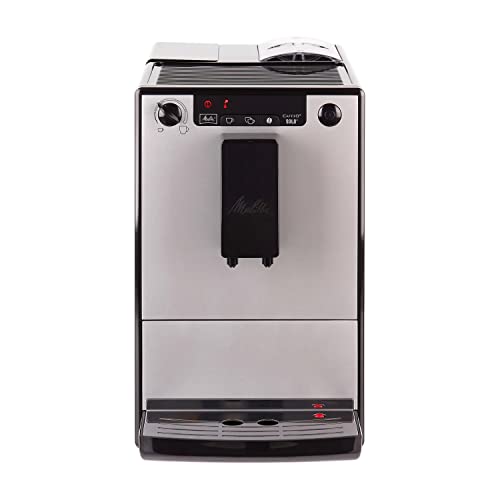
They have a hopper you can fill with beans and they will automatically grind them to the proper size for extraction. They also contain a chamber that can hold hot boiling water for brewing.
Consistency
Bean-to-cup machines are fantastic for making coffee. They can be used with proper coffee beans to create delicious cups of coffee every time. But, it is crucial to choose the right type of beans and roast to ensure your coffee tastes delicious. You must also be aware of the perfect grind size for your preferred brewing method. The grind size is crucial because it determines the speed at which water can travel and how much flavor is extracted. bean to cup coffee maker is also crucial to select a grinder of high-end quality that can produce a consistent grind that is suitable for the specific brewing method you are using.
For all brewing methods it is recommended that you use medium-coarse beans as this grind size will ensure an even extraction and a balanced taste profile. Dark roast beans can clog the burrs of your grinder, and can be oily. This can cause the accumulation of coffee oils, which will cause a bitter cup of coffee.
Many factors can affect the quality of coffee beans, including grinding and storage. Beans that are stored for too long lose their aromas and moisture. This is why it's crucial to buy freshly roasting beans for your commercial coffee machine. It is also recommended to select a medium-to-dark roast as they are better suited for beans-to-cup machines.
Selecting the best beans for your machine will also depend on your personal preferences and taste. Some people prefer to use solely Arabica beans, while others prefer mixing. There are a variety of roasting levels, ranging from light to dark. Certain roasts are best suited to certain methods of brewing and some can be used in any type of coffee maker.
The consistency of the grind can also affect the flavor of coffee. A coarser grind will allow water to move through it faster however, it can also be more likely to extract too much flavor (a condition known as over-extraction). The shape and size of the coffee particles are equally important. If they are of different sizes and shapes, this can influence the way water flows through the grounds. This could lead to certain areas to be excessively extracted.
Cost-effectiveness
It might seem costly to purchase a machine of your own, but it is more affordable in the long term than buying expensive pods. Furthermore, you'll have more choice in terms of beans, and won't be restricted to the choices provided by a rental service. You'll also save money on maintenance and won't need to worry about refills and service contracts, or ongoing contracts.
There are a variety of coffee makers available, and the one that's best for your office depends on your personal preferences and goals. A bean-to-cup machine, for instance, will give you the freshest and most authentic taste. However the pod machine can provide convenience and a variety of flavors for a reasonable price.
Bean-to-cup machines are usually more expensive than pod-style machines, however they offer a range of benefits, including reduced waste and higher quality coffee. They can also be used with a variety of beans, making them an ideal choice for offices that want to cater to the tastes of a variety of employees.
The kind of beans you use in your coffee machine will determine the quality and taste of your cup of joe. It is recommended to select medium roast beans, which are roast enough to create complex flavours but not enough that they lose their natural flavours. It's also important to make sure that the beans have been freshly roasting. Old or stale beans can alter the final product.
You can save money by grinding your own beans, but you will need to purchase the right equipment and grinder. It's worth the investment in the end, because you'll have greater control over the brewing process and be able alter the strength and size of the grind according to your preferences. You'll also be able to avoid the toxins and additives that are present in many commercially produced ground coffees. Lastly, you'll be reducing the amount of waste that you produce, since pods can be expensive and difficult to recycle because of their plastic and aluminum components.
Variety
There are a variety of coffee beans to choose from that each have a distinctive flavor profile that is able to be paired with many drink and food recipes. Some beans are darker roasted than others, which could alter the aroma and flavor of your coffee. Others are roasted lighter which can result in an apricot or floral flavor.
Selecting the best type of coffee bean for your machine can be tricky. There are a lot of variables to consider including the origin, the processing method, and the roast color. It is also essential to choose fresh beans that have been roast recently. Beans that are too old could lose their aroma and flavor.
There isn't a specific type of coffee that is more suited for the bean-to cup machines. However there are certain types of coffee that are more appropriate. For example dark roasts are best for drinks that are espresso-based, whereas lighter roasts are more appropriate for filter coffee. In general, you should experiment with different flavors and types until you find one that suits your palate.
Bean-to-cup coffee machines are convenient and fast. They are also versatile and quick. They can be used to make coffee, cappuccino and latte as well with other milky caffeinated drinks. They are a favorite among those who prefer a hands-off experience. With a bean-to-cup device, you don't need to fret about pressing a portafilter, tapping out the cake tray, or filling up a water tank. These devices are available from all major retailers. They are perfect for home use.
Coffee beans and water are the only two ingredients required to make coffee. To enjoy a great cup of coffee, it is important to use filtered water and top-quality beans. The type of beans you select will impact the aroma, flavor and consistency of your coffee.
It is not enough to pay attention to the quality of the beans as well as the color and aroma of the roast. A light roast has an ethereal flavor, whereas medium roasts have a rich and balanced flavor. Dark-roasted beans are best for espresso, whereas light and medium roasts are more suitable for filter coffee makers and bean-to-cup machines.
If you're looking to make an espresso or drink a cup of filter coffee, you can achieve your desired outcome using the coffee bean grinder made by De'Longhi. The bean-to-cup grinder will grind whole beans into fine grounds and brew them in just a few minutes. It can also make a cup of cappuccino, latte or chai tea.
Environment-friendly
Coffee is one of the most consumed drinks in the world, so it's important to choose sustainable options. When it comes to coffee, sustainability encompasses environmental, social, and economic aspects. When buying coffee beans, look for Fair Trade or UTZ certifications to ensure that the farmers receive an appropriate price for their crops and are not making use of harmful chemicals. These certifications also help to safeguard the environment.
Despite its many benefits coffee is an extremely resource-intensive plant. The process of processing, growing and packaging coffee beans generates greenhouse gases, deforestation, and water pollution. The use of sustainable coffee beans and brewing techniques can help to reduce the impact. A recent life-cycle assessment (LCA) study examined the impact of different systems of brewing on the planet. Researchers found that the Moka pot, and single-serve capsules that have aluminum seals left the most environmental footprints. The first caused the most damage to nonrenewable resources, and the latter generated large quantities of waste.
According to scientists who conducted the LCA, production and cultivation are the two main elements that contribute to the environmental footprint of a cup of coffee. Coffee production requires a lot of energy and involves pesticides, fertilisers, and machines that emit greenhouse gases. It is also a major factor in deforestation within the Amazon basin.
In fact, a study in 2021 found that coffee produced by the least sustainable methods generated as much carbon dioxide as the equivalent amount of cheese and was approximately half the emissions of beef. This was due to intensive fertilization and irrigation, as well as the use of nitrous oxide emitting pesticides. The positive side is that the negative impact of the switch to sustainable practices will be significantly reduced.
You can make your coffee environmentally friendly by using reusable cups and mugs, buying Fair Trade or UTZ-certified beans and using a high-quality coffee maker. If you plan to use pods, choose ones that are 100% compostable. You can also purchase loose coffee grounds and use them to improve the soil in your garden.