

Bean-to-Cup Coffee Machines
Bean-to-cup machines are great for those mornings where you're exhausted and need to press the button. They also offer a degree of flexibility to more adventurous drinkers.
They work by storing whole beans in a hopper, grinding them prior to brewing and dispense drinks at the click of the button. They can serve customers and staff, without the requirement for a barista.
Cost-effectiveness
Whether you prefer the traditional taste of freshly ground beans or the convenience of pre-packaged coffee pods each has pros and cons. In the end, cost-effectiveness is a key consideration. Bean-to cup machines are more affordable for long-term usage than pod-based models. They can help you avoid regular expenses by purchasing bulk high-quality, premium beans, which can be purchased at a lower cost than pods of coffee. In addition, they can help reduce waste by removing the need for disposable coffee pods.
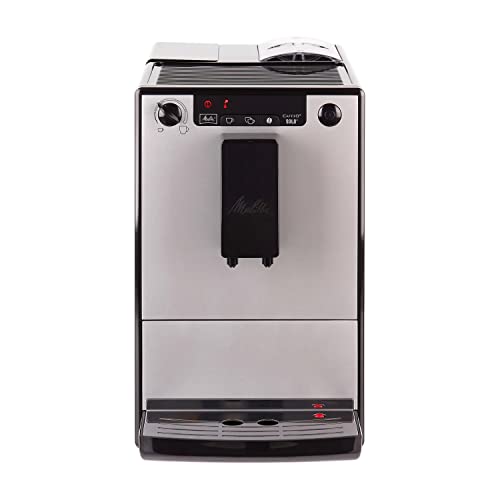
Bean-to-cup coffee makers are an excellent choice for office environments because they're very easy to use. Bean-to-cup coffee machines are a ideal alternative to manual drip coffeemakers that require you to grind and prepare beans manually. They make a consistent, smooth drink at the touch of one button. They are also designed to be low-maintenance and easy to clean. They often come with built-in rinsing programs and cleaning programs, making it easy to ensure that they run smoothly.
The primary benefit of a bean-to-cup machine is its simplicity of use. It is typically easy to install and operate, and requires no previous experience to operate. It comes with a built-in grinder and often comes with an automatic milk maker, making it ideal for small-sized businesses. It also provides high-quality espresso at the touch of the button. This is particularly convenient for offices with a lot of traffic.
Although it might be more expensive to buy a bean-to-cup machine as opposed to a pod model it will save money in the end by reducing expenses on supplies and lowering energy costs. Moreover, it is environmentally more sustainable than pod-based machines since it produces less waste and uses fewer natural resources.
Coffee can be a fantastic way to boost morale and productivity. By putting a bean to cup machine in your breakroom, you can create an environment that encourages collaboration and teamwork. In addition it will encourage social interaction among your employees by promoting informal conversations. During these conversations employees can share their thoughts and come up with creative solutions to problems. A quick cup of coffee can provide a boost to your mental health and stimulate your creativity.
Convenience
Bean-to-cup coffee machines are a cost-effective way to serve premium coffee at the push of the button. They are easy to operate and require little maintenance. They are equipped with grinders that ensure the beans are freshly ground for each cup. They can also be programmed to create a variety of different drinks at the touch of a button, including cold and hot drinks. This lets you create a variety of drinks for your customers and employees.
Additionally, a bean-to-cup coffee machine will enable you to save money by eliminating the necessity for paper filters and plastic cups. Furthermore, it can reduce the amount of coffee grounds that ends up in landfills. If you're an eco conscious person, you could make use of a coffee machine that uses organic whole beans for a more sustainable and sustainable experience.
Bean-to-cup coffee machines are much easier to use than pod coffee machines. They require little or no education. The user only needs to top off the water tank and bean hopper before selecting the desired beverage from the machine's user-friendly control panel. Some coffee bean machines allow the user to alter the strength and temperature settings.
While pod coffee machines make use of pre-ground coffee that is powdered The bean to cup coffee machine grinds whole beans prior making each cup of coffee. This helps to preserve the flavour and aroma of the beans, which results in the most authentic taste and texture. They can also customize each cup of espresso to the person using it by analyzing their preferences over time. Barista Smart is an excellent example of a machine like this. It can be programmed to handle 21 different kinds of coffee of coffee, ranging from espresso to black coffee.
A bean-to-cup coffee machine will also run a rinse cycle prior to when it shuts off and when it first turns on. This prevents the build-up of residues on the coffee spouts and milk dispenser. It also has an internal bin for used coffee grounds and milk. The bin doesn't have to be empty every day, and typically will have an indication on the screen when it is full.
Freshness
Freshly brewed coffee offers many health benefits. It can boost metabolism, decrease the risk of heart disease, and provide an unnatural energy boost. It is important to select the most suitable beans for your machine. Select whole bean coffees that have a clearly marked roast dates to ensure the highest quality and flavor for your coffee. This is essential for bean-to cup machines that require freshly roasted, pre-ground coffee beans. Coffee beans that are stale will have bitter taste and lack flavor.
The shelf life of whole coffee beans is influenced by several factors including temperature and storage conditions. Whole beans that are not opened can be stored for up to six months after roasting if they are properly stored. However, once the beans are ground, their shelf life decreases dramatically due to the increased surface area which exposes them to oxygen. It is generally recommended to use freshly ground beans within two weeks after opening or grinding.
Another way to tell whether your coffee is fresh is to examine the appearance of the beans. Fresh beans will appear shiny, while older beans are dull and dried. You can also determine the freshness of the beans by tasting them.
When coffee beans are roasted, they release volatile aromatic oils that carries the flavor of the bean. These oils are responsible for the distinct flavor of each coffee and if they lose their potency, the flavor of the coffee brewed will suffer. To avoid this, it is important to purchase coffee beans with an obvious roast date and to keep them in a sealed container.
bean to cup coffee makers is also recommended to grind the coffee a couple of days prior to the brewing. This will reduce the oxidation and ensure you get the best flavor. For the best results, avoid storing coffee beans that have been roasted in the freezer, as this could cause structural damage and moisture accumulation.
The hopper is a vital component of any bean-to-cup machine and must be cleaned regularly in order to remove excess dirt and water. Cleaning the hopper will help to prevent blockages and improve overall performance. This can be done by removing the hopper from the machine every day and washing it with hot water, and wiping it down with a clean cloth to remove dust and buildup.
Sustainability
The most sustainable option is to purchase beans that have been cultivated and processed sustainably, regardless of whether you are using an instant cup filter, capsule, or. The roasting and packing process generate lots of waste, which can be avoided by selecting sustainable brands or purchasing beans that are fair trade certified or UTZ certified. These certifications ensure that farmers who grow the beans are paid a fair wage and working conditions.
bean to cup coffee machines are the most significant source of greenhouse gas emissions. This can range from 40% to 80%. This is because large companies use intensive irrigation, fertilizers, as well as pesticides to boost the yield of their crops. This causes deforestation, contaminates water sources, and kills different species. It also causes soil erosion to increase which reduces the quality of the land and causes climate change.
If you select a bean-to cup machine, you can reduce your coffee's carbon footprint by removing the requirement for paper cups as well as plastic pods. You can go one step further and share your machine with a friend to reduce the amount of energy it takes to make your morning coffee. Another method to lessen the environmental impact of your coffee is to buy a sustainable, refillable pod that can be used multiple times.
The increasing emphasis on sustainability has made espresso machines more efficient, with many making use of less electricity than they previously did. Some are made of recycled materials, and some are even 100 percent compostable. They will become biomaterials within the 84-day period after disposal. You can reduce the waste problem by encouraging your colleagues to use reusable mugs or tumblers and by offering to compost coffee grounds. You can also assist by donating to charities which promote responsible coffee production. Additionally, you can reduce your carbon footprint by avoiding items that are used only once like stirrers and sugar.