

Bean-to-Cup Coffee Machines
Bean-to-cup machines are ideal for those Monday mornings when you're groggy and just need to press the button. They provide a certain amount of flexibility for more adventurous drinkers.
They store whole beans in a hopper, grinding them prior to brewing and pouring beverages at the push of the button. They can serve both staff and customers, with out the requirement for baristas.
Cost-effectiveness
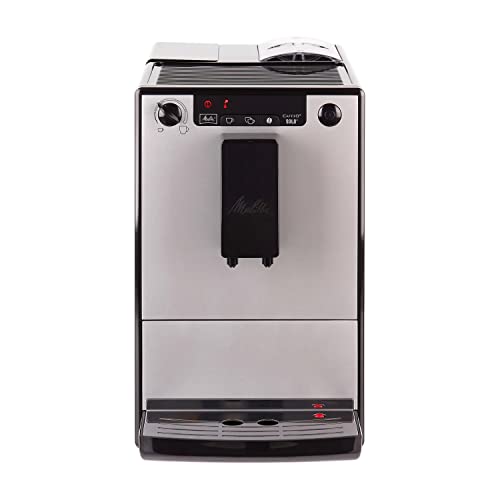
If you prefer the traditional taste of freshly ground beans or the convenience of pre-packaged coffee pods, each has pros and cons. Cost-effectiveness is the main aspect. Bean-to cup machines are more cost-effective for long-term use than pod-based models. You can save on recurring costs by buying high-quality, bulk beans for less than pods. They also help reduce waste by eliminating disposable coffee pods.
Bean-to-cup coffee makers are a great choice for offices due to the fact that they're very easy to use. Bean-to-cup coffee makers are a excellent alternative to manual drip-style coffeemakers that require you to grind and prepare beans manually. They produce an even, smooth beverage at the touch of the button. Additionally they are made with low maintenance and cleaning in mind, and many come with integrated cleaning and rinsing programs that make it simple to ensure they are running smoothly.
The main advantage of a Bean to Cup machine is its ease-of-use. It is typically easy to set up and use and requires no prior training to operate. It comes with an integrated grinder and usually includes an automatic milk frother which makes it perfect for businesses with limited staff. It also offers excellent espresso at the push of a button. This is particularly useful for busy offices.
It might be more expensive to buy a bean-to cup machine than a pod-based one however, it will save you money over time, as it reduces the use of energy and supplies. Additionally, it is eco more sustainable than pod-based machines because it produces less waste and consumes less natural resources.
Providing coffee to your employees can be an effective way to boost productivity and morale. By installing a bean to cup machine in your breakroom, you'll create an environment that encourages collaboration and teamwork. Additionally it can promote interaction between your employees by encouraging informal conversations. During these discussions, employees are able to share their ideas and come up with innovative solutions to challenges. A cup of coffee will provide a boost to your mental health, and inspire your creativity.
Convenience
Bean-to-cup coffee machines are an economical way to serve premium coffee at the push of one button. They are simple to use and require little maintenance. They have built-in grinders which ensure your beans are freshly grounded for each cup. They can also be programmed to create various types of drinks at the touch of a button, including hot and cold beverages. This lets you make various drinks for your employees and customers.
Additionally, a bean to cup coffee maker will let you save money by eliminating the necessity for paper filters and plastic cups. It will also reduce the amount coffee grounds end in the trash. If you're an eco conscious individual, you can use a coffee bean machine that offers whole beans that are organic for a more sustainable experience.
Bean-to-cup machines are easier to use than pod coffee machines. They require little or no instruction. The user only has to fill the bean hopper with water and the water tank before choosing the drink they want from the machine's easy-to-use control panel. Some coffee bean machines permit you to alter the temperature and strength.
While pod coffee machines use powdered coffee that is pre-ground The bean-to-cup machine will grind whole beans prior to brewing each cup of coffee. This helps to preserve the aroma and flavor of the beans, which results in the most authentic flavor and texture. These machines can also tailor each cup of espresso to the person using it by observing their preferences over time. Barista Smart is an excellent example of a machine that does this. It is programmed to work with 21 different types of coffee, from espresso to black coffee.
A bean-to-cup coffee machine will also perform rinse cycles prior to turning off and when it is first turned on to prevent the build-up of coffee residues on the milk dispenser and spouts. In addition, it has an internal container to store leftover coffee grounds and milk. The bin does not have to be empty every day, and will usually have an indication on the screen when it's full.
Freshness
Fresh-brewed coffee isn't just delicious but also offers a variety of health benefits. It can increase metabolism, lower the risk of heart disease, and give you an energy boost that is natural. However, it is important to choose the right beans for your machine. Making sure you select whole bean coffees that clearly labeled with roast date will ensure that you get the best flavor and quality for your cup of joe. This is particularly crucial for bean-to-cup machines that require freshly roasted, pre-ground coffee beans. Coffee beans that have been roasted for a long time will be a bitter taste and poor flavor.
The shelf life of whole coffee beans is affected by several factors including temperature and storage conditions. Unopened bags of whole beans can be stored for up to six months after roasting if they are stored in a proper manner. Once the beans have been grinded, the shelf life of the beans decreases due to the greater exposure to oxygen. In general, it is recommended to use freshly ground beans within two weeks of opening or grinding.
The appearance of the beans can be another way to determine if your coffee is fresh. Fresh whole beans will have a shiny appearance whereas older coffee beans appear dull and dry. You can also gauge the freshness of the beans by smelling them.
When coffee beans are roast, they release volatile aromatic oils that carries the flavor of the beans. These oils are the reason for the distinctive aroma of each coffee, and if they are depleted of their potency, the taste of the coffee that is brewed will suffer. To avoid this issue, it is crucial to buy coffee beans that have a a clear roast date and store them in an airtight container.
It is also recommended that you grind the coffee a couple of days prior to brewing. This will slow down the oxidation process and ensure that you get the best flavor you can get. Avoid storing the beans in the refrigerator, as this can cause water damage or structural damage.
The hopper is a crucial component of any bean-to-cup machine, and it must be cleaned regularly to remove excess water and dirt. Cleaning the hopper helps to avoid blockages and enhance overall performance. This can be achieved by getting rid of the hopper from the machine on a regular basis, washing it with hot water, and wiping it down using a cloth to get rid of any buildup or dust.
Sustainability
The most sustainable option is to purchase beans that have been grown and processed sustainably, no matter if you're using a instant cup, filter, or capsule. By selecting brands that are sustainable, or buying beans that are UTZ or fair trade certified, you will reduce the amount of waste generated in the roasting and packaging processes. These certifications ensure that the farmers who cultivate the beans receive adequate wages and are in good working conditions.
The production of coffee beans is the largest emission of greenhouse gases, ranging from 40% to the 80% of coffee's total environmental impact. This is because big companies employ intensive irrigation, fertilizers, as well as pesticides to boost the yield of their crops. This causes deforestation and pollution of water sources. It also kills many species. It also causes soil erosion to increase, which ruins the soil's condition and can cause climate change.
If you choose a bean to cup machine you'll be able to reduce the carbon footprint of your coffee by eliminating the use of plastic cups and paper cups. You can even take it one step further and share the machine with a coworker to reduce the amount of energy required to make your morning coffee. Another method to lessen your coffee's environmental impact is to buy a sustainable, refillable pod that can be used a number of times.
The growing focus on sustainability has made espresso machines more efficient, with many now making use of less electricity than they did in the past. Some are made from recycled materials and some are even 100 percent compostable. This means that they'll become a biomaterial within 84 days after the time of disposal. You can also help avoid adding to the waste problem by encouraging your colleagues to use reusable mugs as well as tumblers, as well as by offering coffee grounds for composting. Donating to charities that support responsible coffee production is another option to contribute. You can also minimize the environmental impact of your coffee by avoiding single use accessories like stirrers and sweeteners.